“Set it and forget it” makes a lot of sense when you build a website yourself. You finally get it live. It looks good. It does what you need it to do. And for a while, that’s enough.
Getting the site launched is the hardest part. Once it’s up, it’s natural to move on to everything else competing for attention. The website doesn’t feel broken. So it quietly fades into the background.
And honestly, that’s understandable.
Most do-it-yourself website platforms are built to make that possible. They’re designed to be stable and approachable. Pages don’t suddenly fall apart. Links don’t stop working overnight. The site keeps showing up, even if no one looks at it closely for a long time.
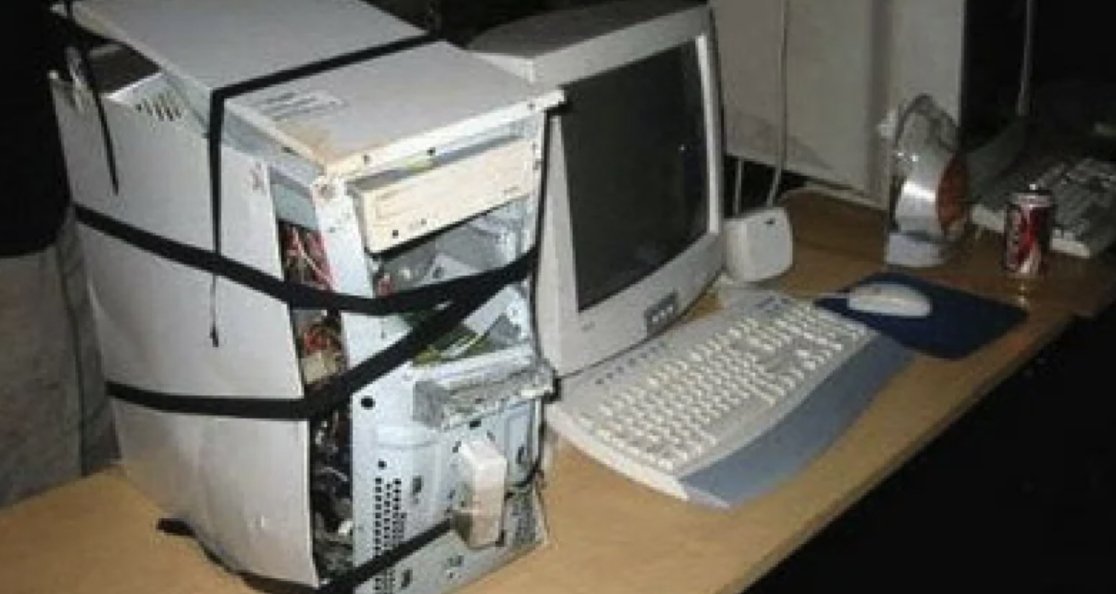
The tricky part is that the web keeps changing, even when your site doesn’t.
Phones evolve.
Browsers update.
Accessibility expectations shift.
Content ages.
New pages get added one at a time, often without much thought to structure.
None of this feels urgent, especially when the site still looks fine. That’s why “set it and forget it” can quietly turn into “we haven’t looked at this in a while.”
This isn’t a knock on DIY websites. In many cases, they’re the right place to start. It’s just a reminder that even simple sites benefit from occasional care. A quick content review. A mobile check. Making sure navigation still makes sense and accessibility hasn’t slipped.
Without those small check-ins, websites tend to drift. Not dramatically. Just enough that people hesitate, have to hunt a little harder for information, or stop relying on the site the way they once did.
“Set it and forget it” works best when it’s paired with awareness. Build something solid. Let it run. But come back to it now and then, the same way you would anything that matters.
A little attention keeps a simple website simple — and useful — for a long time.