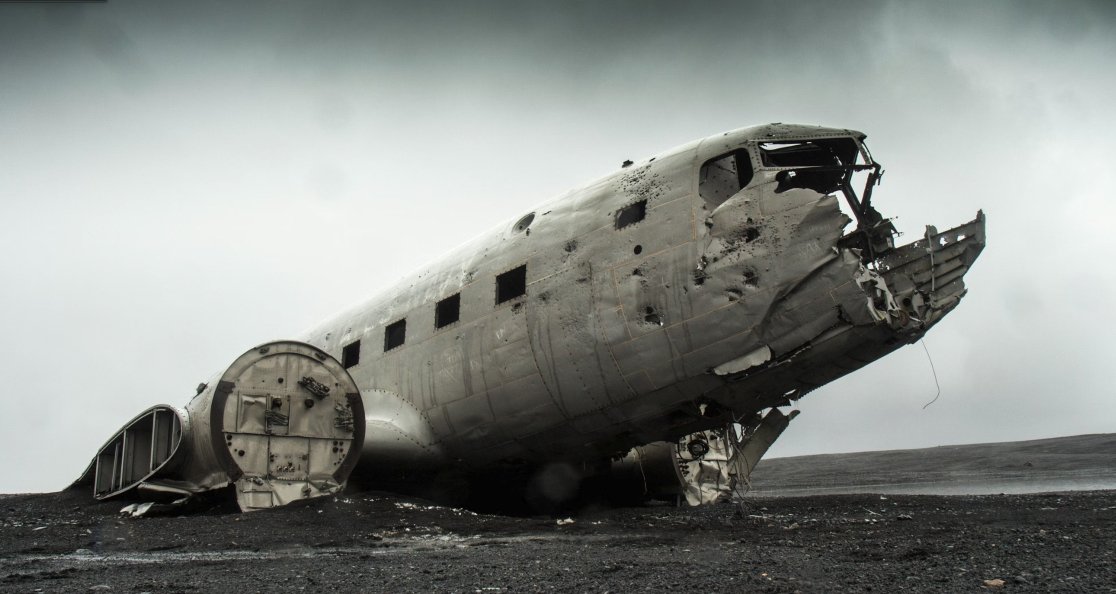
When airplanes crash, it gets talked about. A lot.
And when it does, general aviation (GA) often gets lumped into the same conversation as commercial flying; even though they’re very different worlds.
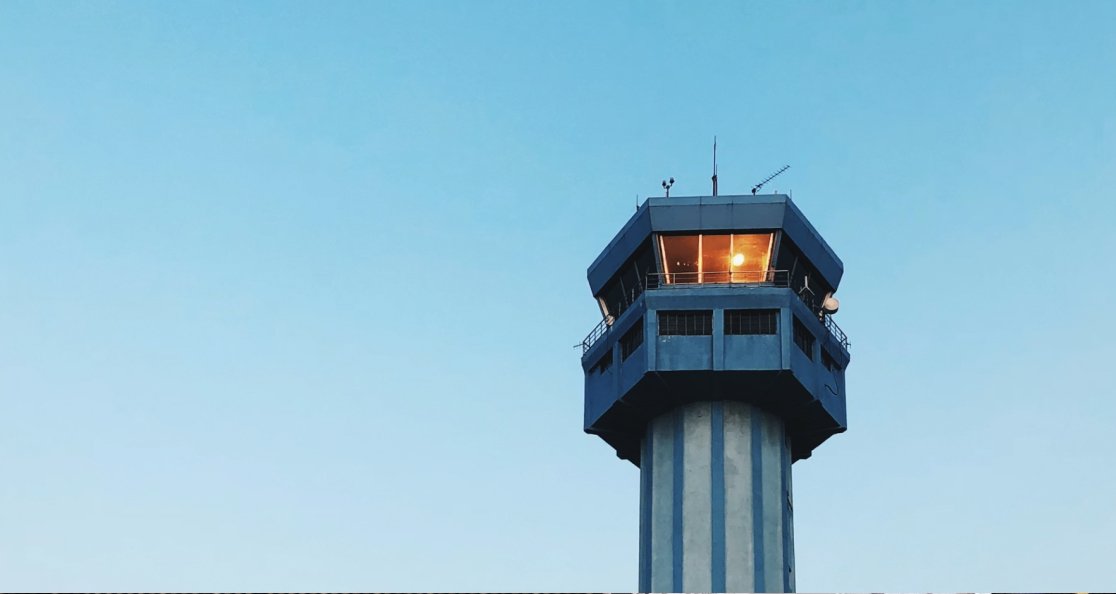
Commercial aviation is built around layers upon layers of structure. Two pilots. Dispatchers. Maintenance crews. Weather departments. Strict schedules. Strict procedures. Redundancy everywhere. The system is designed so no single person is carrying the full weight of the decision-making.
General aviation works quite differently.
In GA, much more of the responsibility sits with the pilot. Planning the flight. Watching the weather. Knowing personal limits. Deciding whether today is a go or a no-go. The airplane is smaller, the margins are tighter, and the safety net is judgment and preparation.
That doesn’t make GA reckless.
It makes decision-making more visible.
Most GA accidents don’t come from a single dramatic failure. They come from small choices stacking up (coined as the Swiss Cheese Model); weather slowly changing, fatigue creeping in, a plan that doesn’t get adjusted soon enough.
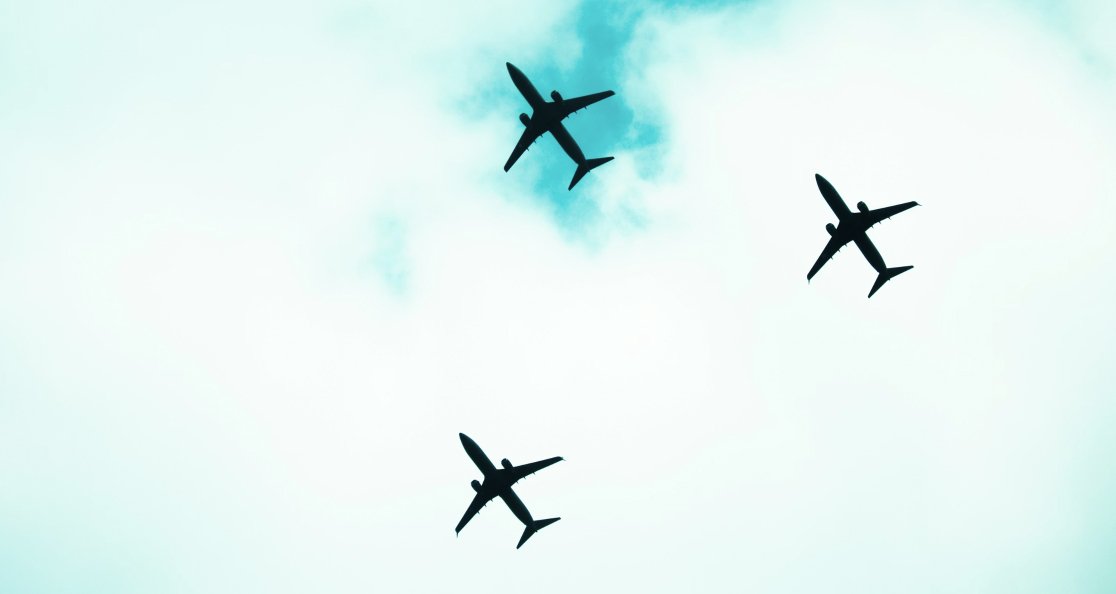
Commercial flying reduces risk by spreading it across systems and people.
General aviation reduces risk by discipline and knowing when not to fly.