A lot of businesses are asking: “Do I even need a website anymore?”
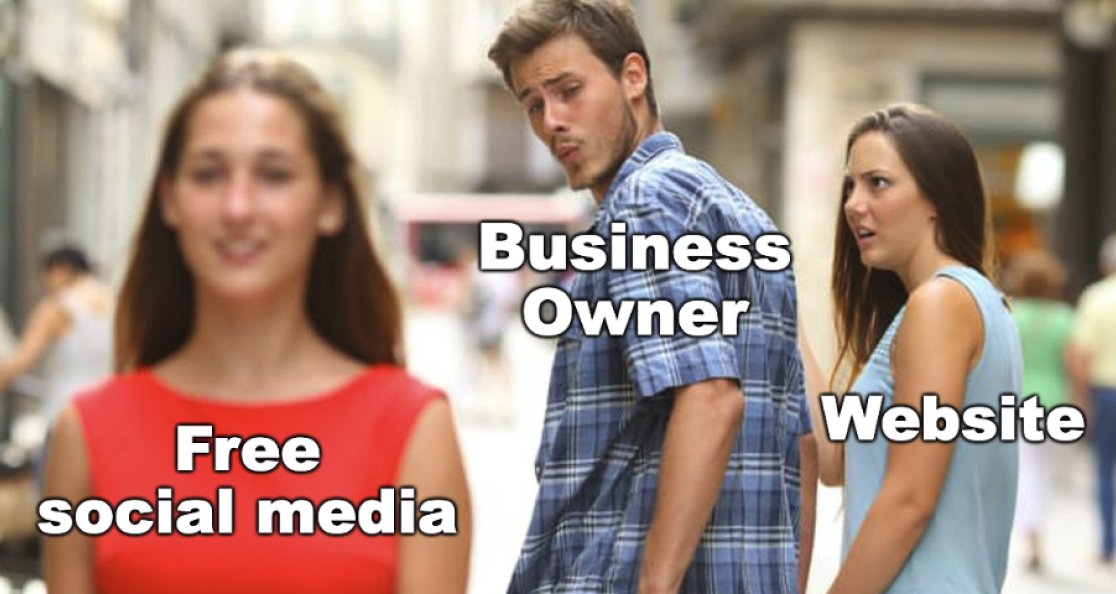
They’ve got Facebook. Instagram. Maybe LinkedIn. Messages coming in here and there.
It feels like enough.
It’s cheaper. Easier. Already working ... at least a little.
But social media isn’t yours.
You don’t control who sees your content.
You don’t control the platform.
And you don’t control what happens if it changes, or disappears.
Even when it’s working, it’s inconsistent.
Posts get buried. Information is scattered. Customers have to piece things together.
That’s not a system.
So the real question is:
What does it cost you to rely on something you don’t own?
Because that cost shows up in missed calls, lost jobs, and people choosing someone else who looks more established.
Social media has a role. It just isn’t the foundation. It brings attention.
Your website is what turns that attention into business.
It’s where people:
- understand what you do
- decide if they trust you
- take the next step
You’re not paying for a website. You’re paying for what happens after someone lands on it.
If you’re relying only on social media, you’re building on borrowed ground.
And borrowed ground can shift at any time.
If you’re looking for the cheapest option, social media will always be there.
If you want something that actually works consistently, it’s worth doing this differently.